

 See My Latest Article on HelloNation
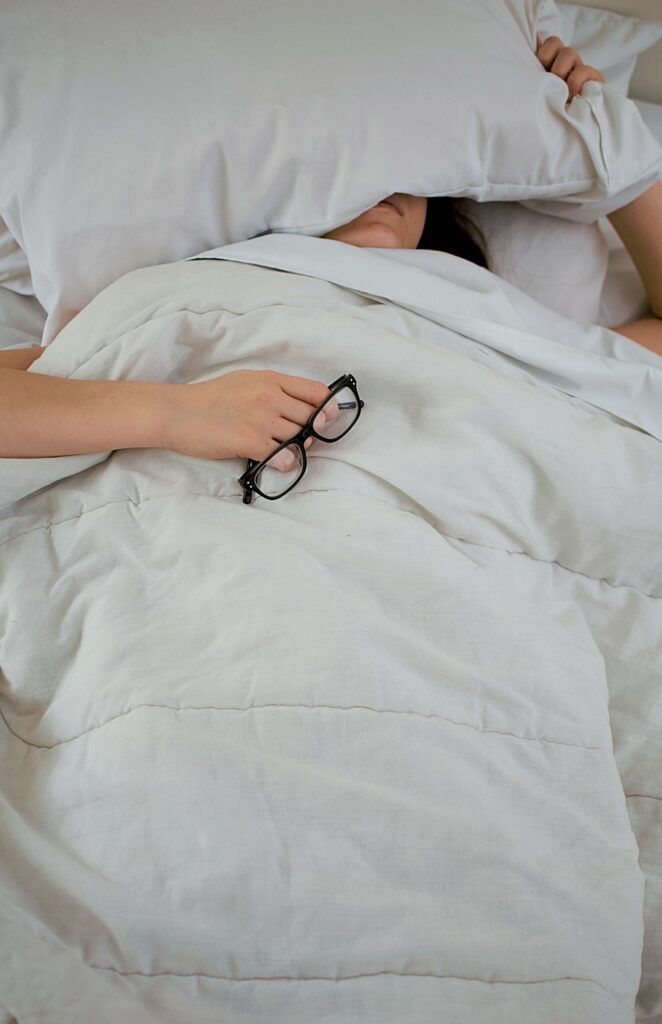
Sleep quality depends on more than the number of hours spent in bed. Restful sleep is usually easier when the body follows a steady rhythm, the bedroom supports relaxation, and common disruptions are addressed. For residents of Marshall, MI, seasonal daylight changes, winter heating, summer evening light, and household schedules can all affect nighttime rest.
How much sleep do adults need?
Most adults need at least seven hours of sleep each night, although individual needs vary. Children and teenagers generally need more. Sleep quality also matters: repeated awakenings, restless sleep, or waking up unrefreshed may indicate that the body is not getting enough restorative rest even if the total time in bed seems adequate.
A useful first step is to set aside enough time for sleep rather than treating it as whatever time remains after work, household tasks, or screen use. If an early morning schedule is necessary, bedtime may need to move earlier gradually instead of changing all at once.
Does a regular sleep schedule really help?
Yes. Going to bed and waking up at approximately the same times helps the body’s internal clock anticipate sleep and wakefulness. The wake-up time is especially useful as an anchor.
Try to keep the schedule reasonably consistent on weekends. Sleeping much later on days off may feel restorative, but it can make it harder to fall asleep the following night.
A practical approach is to:
- Wake up at a similar time each day.
- Shift bedtime by 15 to 30 minutes when adjusting the schedule.
- Get out of bed at the usual time after a poor night rather than sleeping far into the morning.
- Use an alarm or morning routine to reinforce the schedule.
Morning daylight can also help regulate the sleep-wake cycle. A short walk, time outdoors, or sitting near natural light earlier in the day may be useful. During darker winter months, indoor lighting and a consistent morning routine become more important.
What should a bedroom be like for better sleep?
A sleep-friendly bedroom is generally cool, quiet, dark, and comfortable. The ideal temperature is personal, but overheating can make it harder to remain asleep.
Seasonal conditions may require different strategies. During colder months, heating systems can create dry air, noise, or temperature changes overnight. During warmer months, long daylight hours and open windows may introduce light or outdoor sounds. Helpful adjustments may include:
- Using curtains or shades that block early morning light.
- Reducing unnecessary lights from electronics.
- Keeping the sleeping area comfortably cool.
- Addressing drafts, excessive dryness, or inconsistent heating when possible.
- Using steady, low-level background sound if occasional household or outdoor noise is disruptive.
The bedroom should also be associated mainly with sleep. If possible, keep work materials, stressful paperwork, and extended television use outside the sleeping area.
How do phones and television affect sleep?
Screens can delay sleep in two ways. Light from phones, tablets, televisions, and computers can signal alertness to the brain, while the content itself may be stimulating or stressful.
Turning off electronic devices at least 30 minutes before bedtime is a reasonable starting point. Some people benefit from making the final hour quieter by:
- Dimming household lights.
- Charging phones away from the bed.
- Reading printed material.
- Listening to calm music or an audiobook at low volume.
- Preparing clothing, meals, or work items earlier in the evening.

A blue-light setting may reduce brightness, but it does not make late-night scrolling completely neutral. The habit of checking messages or watching emotionally intense content can still keep the mind active.
Which foods, drinks, and habits can interfere with sleep?
Caffeine may remain active for several hours. Coffee is the obvious source, but tea, soda, energy drinks, chocolate, and some medications may also contain caffeine. People who are sensitive to it may need to stop earlier in the day.
Alcohol can make a person feel sleepy at first but may lead to lighter, more fragmented sleep later. Large or heavy meals close to bedtime may cause discomfort, reflux, or restlessness. Limiting these factors in the hours before bed can improve sleep continuity.
Regular physical activity supports sleep, but strenuous exercise immediately before bed may feel energizing for some people. Earlier activity is often easier to fit into a consistent routine. Nicotine can also act as a stimulant and interfere with sleep.
What should someone do after lying awake?
Trying to force sleep can increase frustration. If sleep does not come after a reasonable period, get up briefly and do something quiet in dim light, such as reading a few pages. Return to bed when drowsiness returns.
Avoid checking the clock repeatedly. Clock-watching can turn a normal brief awakening into worry about how much sleep remains.
Relaxation methods may help lower physical tension. Options include slow breathing, gentle stretching, progressive muscle relaxation, or writing down tomorrow’s tasks before getting into bed. These techniques are not guaranteed to work immediately, but practicing them regularly can make them more familiar at night.
Are naps helpful or harmful?
Naps can be useful after an unusually poor night, but long or late naps may make nighttime sleep more difficult. If a nap is needed, keeping it earlier in the afternoon and relatively brief may reduce its effect on bedtime.
People who work changing shifts or have caregiving responsibilities may need a more flexible plan. In those situations, protecting a dark, quiet sleep period and keeping wake times as predictable as possible can still help.
When might poor sleep signal a health problem?
Occasional poor sleep is common. Ongoing problems deserve more attention, especially when they affect mood, concentration, safety, or daytime functioning.
Discuss persistent sleep difficulty with a qualified health care professional if it continues despite consistent habits, occurs several nights a week, or causes significant daytime fatigue. Loud habitual snoring, gasping, witnessed pauses in breathing, morning headaches, or severe sleepiness may be signs of sleep apnea. Restless legs, pain, reflux, anxiety, depression, medication effects, and other health conditions can also interfere with sleep.
Sleep aids, including over-the-counter products, are not automatically safe or appropriate for everyone. Some can interact with medications or create unwanted side effects. Improving the sleep environment and routine is a sensible starting point, but persistent or disruptive symptoms should not be ignored.